
Geomekanika Terapan untuk Manajemen Reservoir & Lapangan Depleted
Memberikan peserta pemahaman yang komprehensif dan praktis mengenai geomekanika, mulai dari dasar-dasar mekanika batuan hingga aplikasi lanjutan pada reservoir. Peserta akan mampu menganalisis kondisi tegangan bawah permukaan, mengevaluasi dampak deplesi, serta menerapkan prinsip geomekanika untuk mendukung pengembangan lapangan dan operasi produksi yang aman dan optimal. analyze subsurface stress conditions, evaluate depletion effects, and apply geomechanical principles to support safe and optimized field development and production operations.
A. Geology Course/Petroleum Geology
5 Hari
Terampil
Tatap muka (kelas)
Hari 1
Hari 1 – Dasar-Dasar Mekanika Batuan
Peserta akan membangun fondasi kuat dalam mekanika batuan, meliputi:
- Konsep tegangan–regangan
- Tensor tegangan dan tegangan utama
- Lingkaran Mohr
- Perilaku mekanik batuan (elastis, plastis, viskos)
- Parameter kekuatan batuan (UCS, kohesi, sudut geser dalam)
- Pengenalan pengujian laboratorium:
- Uji tekan uniaksial
- Uji triaxial
Hari 2
Tekanan Pori & Tegangan In-Situ
Fokus pada kondisi tekanan dan tegangan bawah permukaan:
- Asal tekanan pori (normal, overpressure, underpressure)
- Metode prediksi tekanan
- Analisis rezim tegangan (normal, strike-slip, reverse faulting)
- Estimation of vertical and horizontal stresses
- Interpretasi image log:
- Wellbore breakouts
- Fraktur akibat pengeboran
Hari 3
Structural Geomodeling & Geomechanical Earth Model (MEM)
Integrasi data geologi dan geofisika ke dalam model:
- Konsep geomodel struktur
- Integrasi data (seismik, log sumur, data inti/core)
- Pembangunan kerangka struktur
- Pengenalan Mechanical Earth Model (MEM)
- Validasi model dan pengendalian kualitas
Hari 4
Geomekanika Reservoir & Deplesi
Fokus utama pada geomekanika terkait produksi:
- Evolusi tegangan selama deplesi reservoir
- Kompaksi reservoir dan penurunan permukaan (subsidence)
- Perubahan tekanan pori dan tegangan efektif
- Risiko reaktivasi sesar
- Ketidakstabilan lubang sumur pada reservoir terdeplesi
Dampak terhadap pengeboran, penyelesaian sumur, dan produksi
Hari 5
Aplikasi Lapangan & Strategi Mitigasins & Mitigation Strategies
Penerapan geomekanika dalam operasi nyata:
- Dasar hydraulic fracturing
- DFIT (Diagnostic Fracture Injection Test)
- Peran rekahan alami dalam produksi
- Pengendalian rekahan dan penghalang tegangan
- Studi kasus praktis dan aplikasi lapangan
Laboratory Visit: Geomechanical Rock Testing & Practical
Peserta akan mengunjungi laboratorium geomekanika untuk mengamati dan memahami alur pengujian secara langsung, meliputi:
1.Demonstrasi Pengujian Mekanika Batuan
- Uji kuat tekan uniaksial (UCS)
- Uji tekan triaxial (simulasi kondisi tegangan bawah permukaan)
- Observasi perilaku tegangan–regangan
2.Pengukuran Sifat Batuan
- Penentuan modulus Young & rasio Poisson
- Estimasi kohesi dan sudut geser dalam
- Evaluasi indeks kerapuhan (brittleness index)
3.Special Core Analysis (SCAL) Terkait Geomekanika
- Analisis kegagalan batuan
- Persiapan sampel dan prosedur pengujian
- Diskusi kualitas data dan ketidakpastian
4.Integrasi dengan Pemodelan Bawah Permukaan
- Pemanfaatan hasil laboratorium dalam:
- Mechanical Earth Model (MEM)
- Analisis kestabilan lubang sumur
- Desain hydraulic fracturing
- Korelasi antara data laboratorium dan properti dari log sumur
5.Sesi Interaktif dengan Ahli Laboratorium
- Tanya jawab mengenai keterbatasan dan tantangan pengujian
- Diskusi kasus: perbedaan data laboratorium vs data lapangan
- Praktik terbaik dalam akuisisi data geomekanika
Prof. Dr. Ir. Aris Buntoro, MT., IPU.
Seorang dosen senior dan pakar teknik perminyakan dengan pengalaman lebih dari 25 tahun di industri hulu migas. Memiliki spesialisasi di bidang geomekanika, teknik pengeboran, dan sumber daya non-konvensional. Aktif dalam pengajaran, publikasi ilmiah, serta memimpin berbagai proyek industri seperti studi reservoir, analisis geomekanika, dan pengembangan lapangan. geomechanical analysis, and field development initiatives.
Ir. Allen Haryanto Lukmana, S.T., M.T., IPM., CIIQA.
Seorang dosen teknik perminyakan dan spesialis geomekanika dengan pengalaman profesional lebih dari 12 tahun (sejak 2013). Terlibat aktif dalam proyek industri seperti analisis kestabilan lubang sumur, prediksi tekanan pori, pemodelan geomekanika reservoir (1D–3D), perencanaan pengeboran panas bumi, serta optimasi pengeboran berbasis machine learning. Juga berkontribusi dalam dunia akademik melalui pengajaran dan penelitian di Universitas Pembangunan Nasional “Veteran” Yogyakarta. geomechanical studies, actively involved in industry projects such as wellbore stability, pore pressure prediction, reservoir geomechanics modeling (1D–3D), geothermal drilling planning, and machine learning-based drilling optimization, while also contributing to academia through teaching and research at Universitas Pembangunan Nasional “Veteran” Yogyakarta.
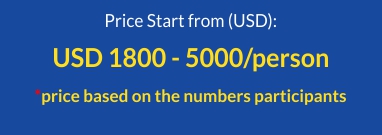
*Exclude VAT, Flight Ticket and Accommodation

Untuk informasi lebih lanjut, silakan hubungi administrator kami