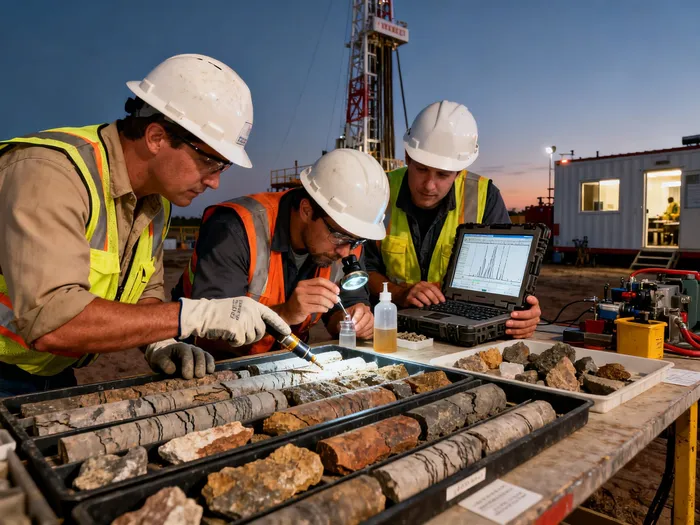
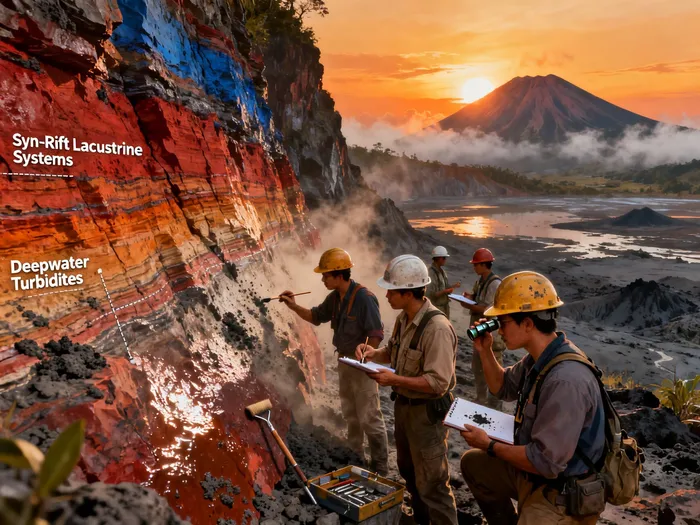
Clastic reservoirs represent the backbone of hydrocarbon production in Indonesia. Deposited in environments ranging from syn-rift lacustrine systems to deepwater submarine fans, these reservoirs require strong depositional understanding to reduce exploration and development risk.
GTN presents a series of integrated field-based programs designed to strengthen subsurface interpretation through direct outcrop observation. Each location focuses on specific clastic depositional systems, reservoir architecture, and petroleum system implications.
Theme: Lacustrine to Fluvial Reservoir Architecture in a Rift Basin Setting
This program explores Paleogene syn-rift sedimentation including:
Brani Formation (alluvial fan deposits)
Learning Focus:
Theme: Fluvial–Deltaic Sandbody Prediction and Hydrocarbon Productivity
Key reservoirs of the Miocene Sihapas Group:
Learning Focus:
Producing field analog interpretation
Theme: Channel Architecture and Reservoir Heterogeneity Analysis
Miocene fluvial–deltaic clastics equivalent to the Sihapas reservoir system.
Learning Focus:
Reservoir Analog Study of:
Learning Focus:
Main unit:
Theme: Predictive Stratigraphic Framework for Clastic Reservoir Distribution
Learning Focus:
Formations Studied:
Learning Focus:
Key Formations:
Theme: Submarine Fan Architecture and Reservoir Compartmentalization
Learning Focus:
Theme: Frontier Deepwater Clastic Reservoir Analog
Neogene deep marine turbiditic successions.
Learning Focus: